Dance Education
Our philosophy to teaching dance
Our instructors
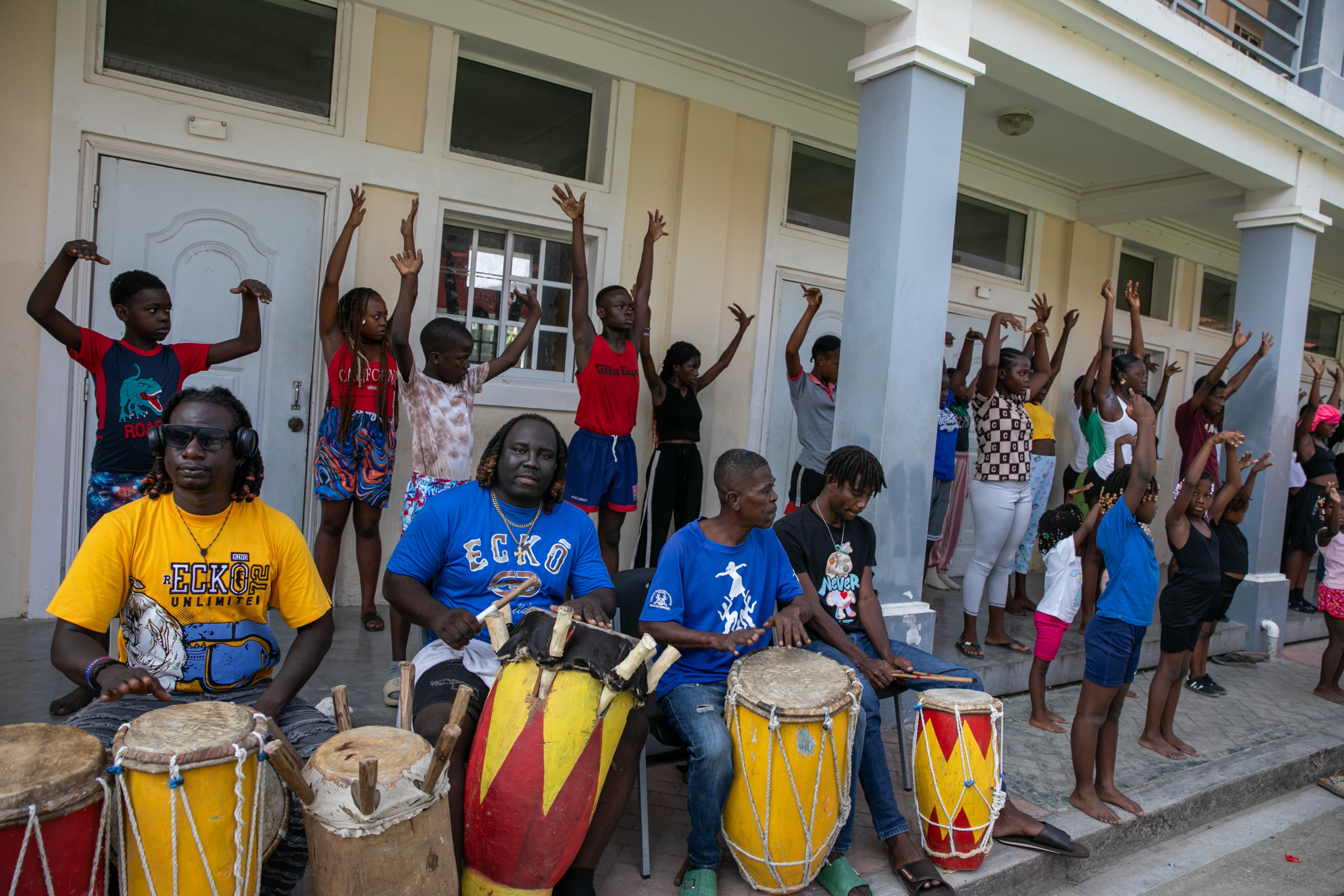
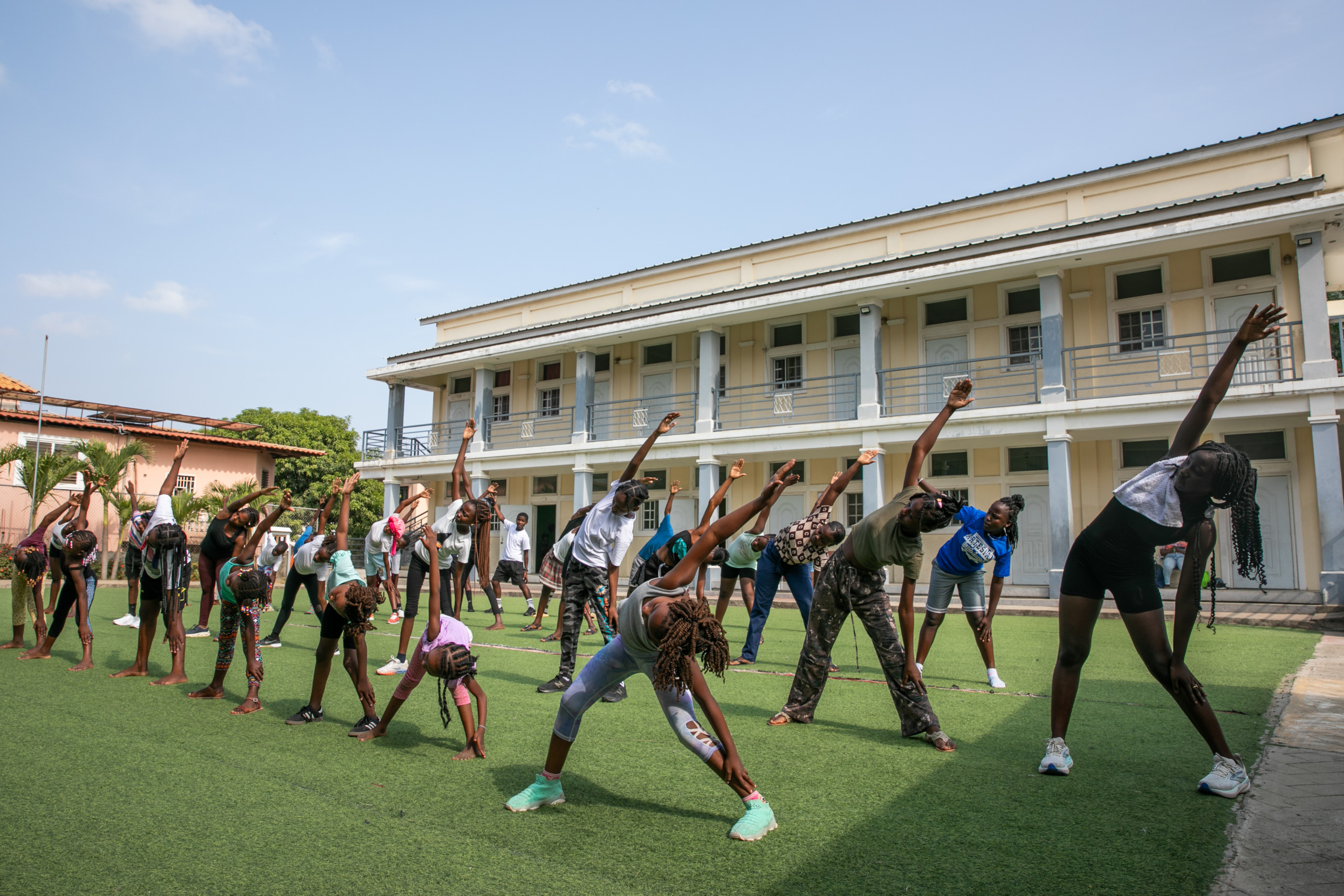
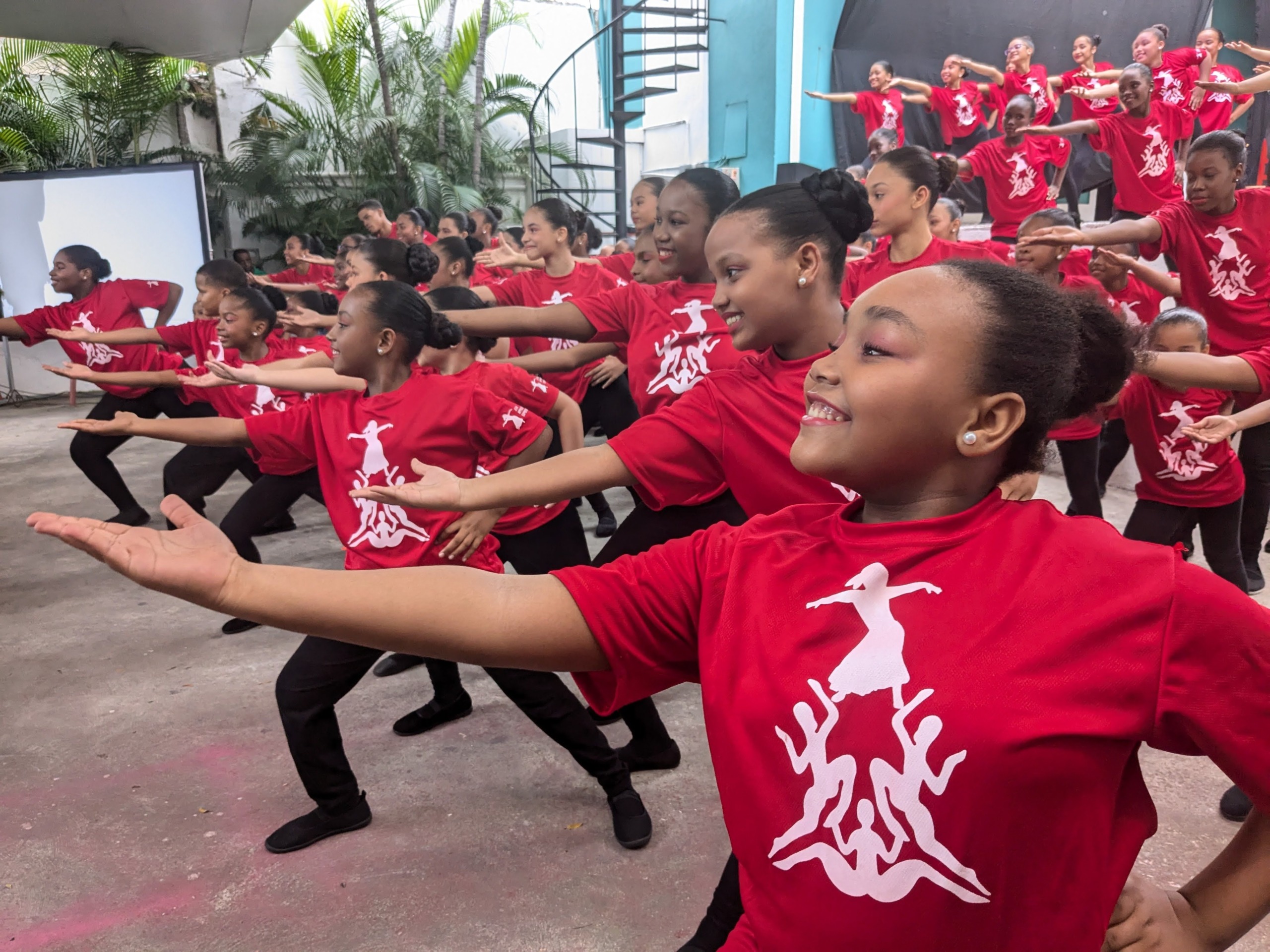
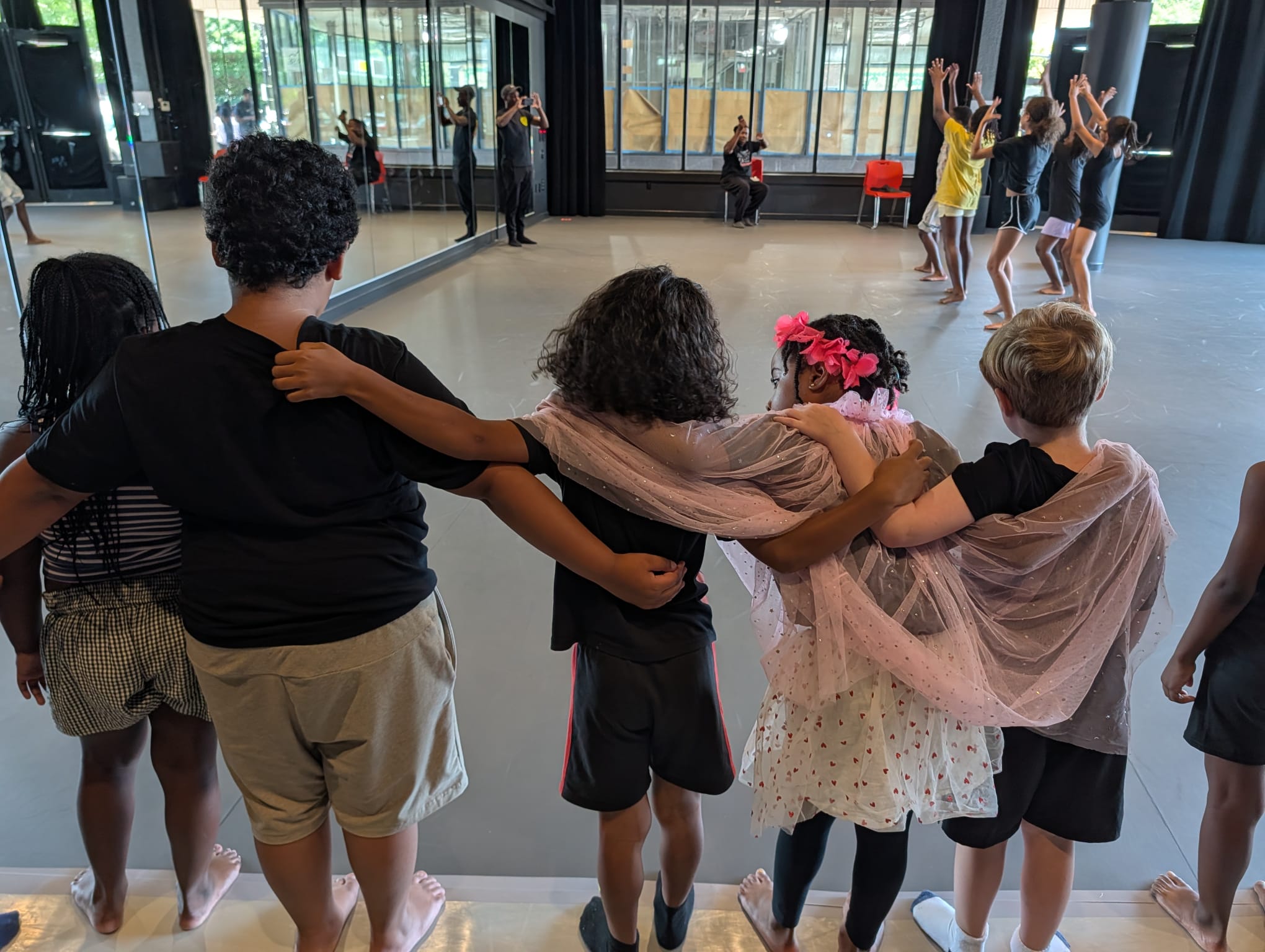
Our instructors have years of global teaching experience and deep roots in the JAE community. Over time, they’ve developed a shared philosophy: We learn to dance and create together by being part of a living tradition.
Powerful arts learning involves honoring both the individual and the group. When every individual can both explore and express their unique identity and build connections to other learners and teachers, their growth strengthens the community and the art form itself.
Arts pedagogy
Our approach to arts pedagogy draws on the Connected Arts Framework:
Identity
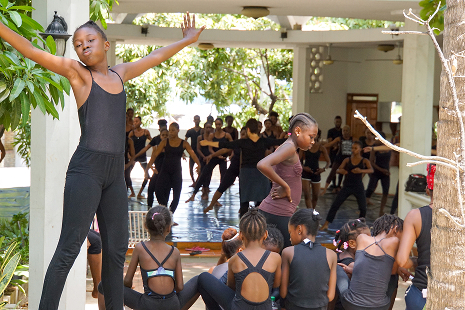
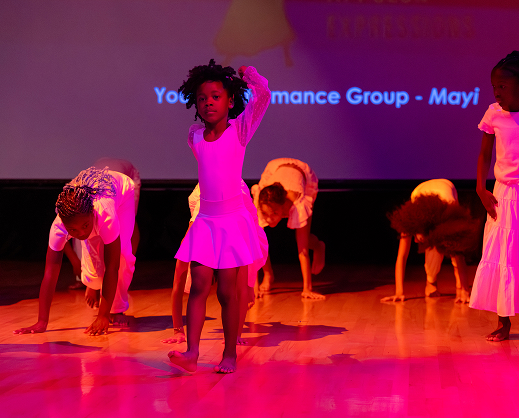
All students come to us with unique backgrounds and are headed toward different pathways. In our youth programming, we get to know each student and give them agency in creatively expressing themselves through Haitian culture, music, and dance.
Connections
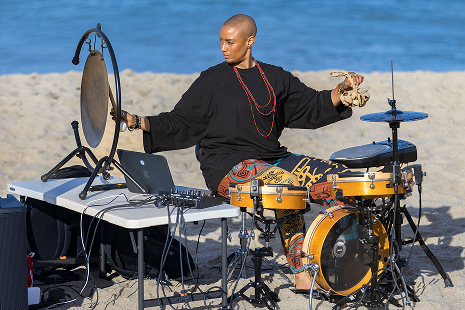
Students build respectful relationships with peers and mentors. These same-age and intergenerational connections become the foundation for meaningful learning rooted in community and heritage.
Opportunities
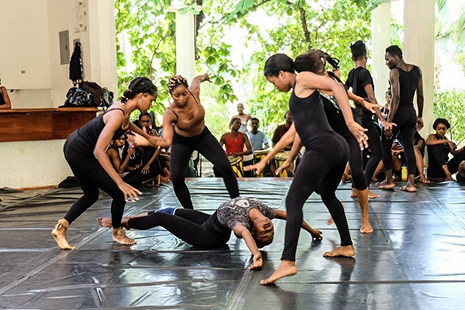
We connect students with professional dancers and other artists and offer opportunities that match their goals, both within JAE and the broader community. Recognizing and nurturing individuals’ potential for growth leads to more practical skills and makes our community stronger.
Haitian Folklore Dance
Haitian folklore is a fundamental genre of dance. It evolves as new artists bring their unique backgrounds to the art form. As they learn Haitian folklore, young artists learn powerful ways to move their bodies and move in space together, as well as important ways to think about dance’s role in community and culture.
Our teaching practice draws on key parts of the Haitian folklore tradition:
Communal Practice
Dance belongs to everybody. All people can participate in Haitian folkloric dance.
Unison
When we move together in unison, we bring our unique style and expression. These differences offer us all new ways to grow as dancers.
Repetition
Repeating dance steps, either just across the dance floor or over many years of life, reveals more details and meanings about those movements. In many of our classes, the dancers are both young and old, new to dance and long-time dancers.
Rhythm
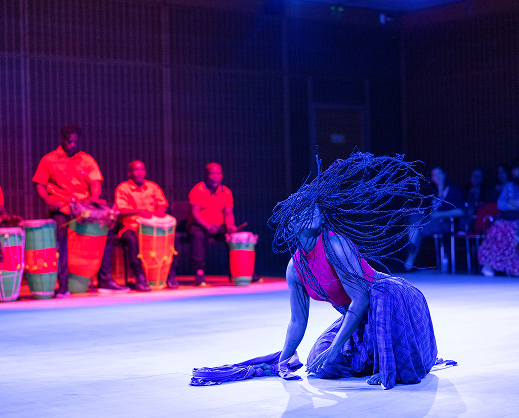
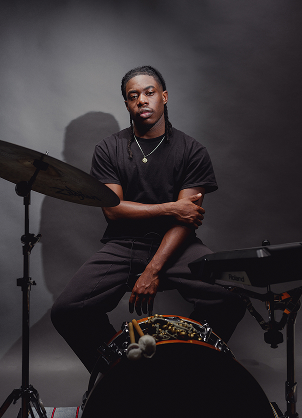
At the center of this art form is the drum. Haitian drumming utilizes complex, layered rhythms; these polyrhythms serve as a resonant conduit, guiding the dancer’s body.
Haiti’s Alive
JAE’s Educational hub of Rhythms and Roots
Explore Haiti’s vibrant cultural heritage through rhythms, Vodou symbols, and educational resources designed for teachers, students, and curious learners everywhere.